

It is a frustration almost everyone has faced: you spend months getting your skin under control, only to wake up with a fresh breakout right before the big family dinner or New Year’s Eve party.
You might chalk it up to bad luck, but the truth is scientific. The holiday season creates a “perfect storm” of biological and environmental triggers that can sabotage even the most disciplined skincare routine. From what is on your plate to the air on your road trip or your flight, the holidays disrupt your body’s equilibrium.
Here is exactly why your skin acts up during the holidays and the strategic steps you can take to keep it clear.
Key Triggers During the Festive Season
To effectively prevent seasonal acne, it is essential to understand the four primary factors disrupting your skin’s equilibrium during this period.
1. High Glycemic Load and Inflammation
The festive season is synonymous with abundant, rich meals. While delicious, many staples contribute to systemic inflammation.
- The Culprits: Large portions of Jollof Rice, Fried Yam, Puff-Puff, and Chin-Chin, foods that are both high in starch and often prepared with significant cooking oil.
- The Science: The rapid intake of high-glycemic carbohydrates causes a sharp spike in insulin. This spike signals the sebaceous glands to overproduce sebum (oil).
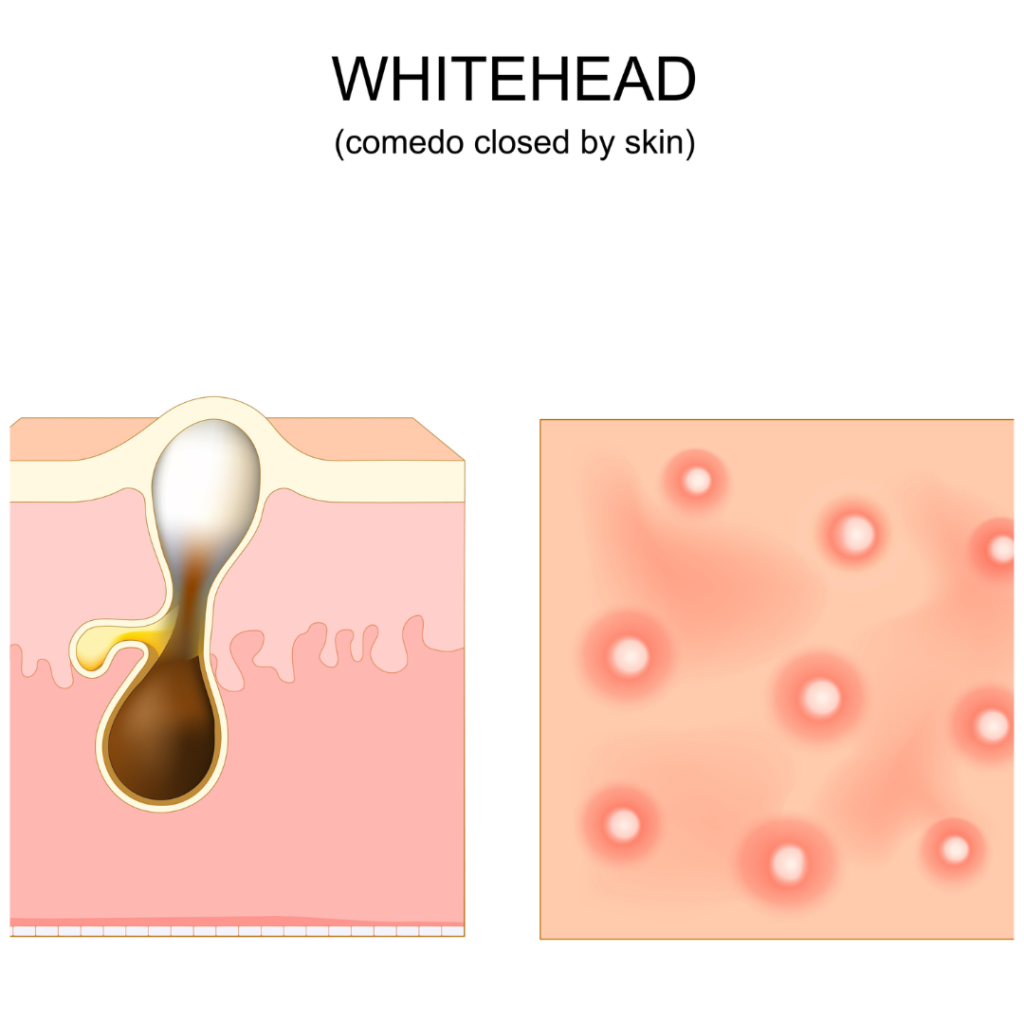
- The Result: The excess oil, coupled with internal inflammation, creates a fertile environment for acne bacteria (C. acnes) to thrive.
2. Dehydration from Climate and Diet
High temperatures, long hours at high-profile events, and increased consumption of specific beverages contribute to severe dehydration.
- The Environment: Tropical heat combined with the dry, often dusty air of the Harmattan wind pulls moisture directly from the skin.
- The Role of Alcohol: Increased consumption of alcoholic beverages, which are diuretics, accelerates fluid loss from the body.
- The Result: When the skin lacks internal hydration, it compensates by creating a rebound effect, forcing the oil glands into overdrive to produce extra surface sebum, leading to congestion.
3. Elevated Cortisol from Stress
The holidays bring significant logistical and social pressures, including coordinating large family gatherings and managing complex travel plans.
- The Stressors: The pressure of hosting extended family, navigating notorious city traffic (e.g., Lagos), and the exhaustive nature of inter-state travel.
- The Science: These stressors trigger the release of cortisol, the primary stress hormone. Cortisol receptors are found on the sebaceous glands; when activated, they dramatically increase oil production.
- The Result: This hormonal surge commonly manifests as deep, painful, and persistent breakouts, often concentrated around the jawline and chin.
4. Environmental Barrier Shock
The skin is constantly assaulted by extreme transitions during this season.
- The Shock: Moving frequently between the intense heat and sunlight outside, the extremely dry, dusty Harmattan wind, and the heavily air-conditioned interiors of homes, offices, and vehicles.
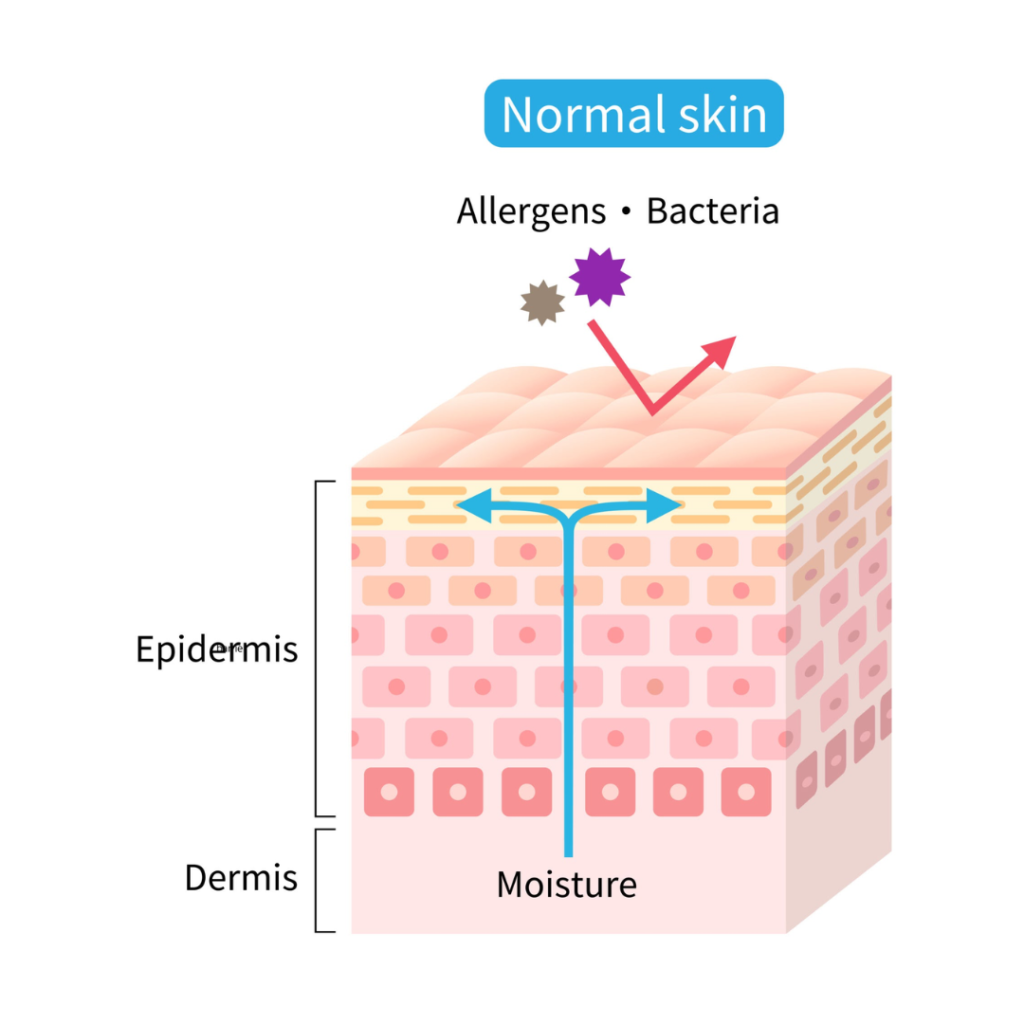
- The Science: This rapid temperature and humidity change compromises the skin’s lipid barrier—the protective outermost layer that seals moisture in and keeps irritants out.
- The Result: A damaged barrier makes the skin sensitive, prone to water loss (Trans-Epidermal Water Loss, TEWL), and highly vulnerable to environmental irritants like dust and pollution, resulting in reactive acne.
Strategic Preventive Measures
A successful skincare strategy during the festive season must prioritize consistency, barrier repair, and oil control.
Maintain Routine Consistency
Despite busy schedules and extensive travel, adherence to your regular skincare routine is paramount.
- The Guideline: Do not skip your morning or evening routine, even after a late night. Pack travel-sized versions of your trusted products to ensure continuity.
Implement Double Cleansing
With heavier event makeup, high SPF sunscreen, and environmental dust, a single wash is often insufficient.
- The Guideline: Cleanse twice daily. For evening cleansing, use the double cleansing method: first, use an oil-based cleanser or micellar water to break down makeup and sebum; second, follow with your regular water-based acne cleanser to clean the pores thoroughly.
Fortify and Double-Hydrate
Actively combat the dehydrating effects of the Harmattan and tropical heat.
- The Guideline: Consume ample water throughout the day. Externally, use moisturizers containing Ceramides and Hyaluronic Acid to repair the lipid barrier and lock in moisture.
Use Non-Comedogenic Products
When selecting cosmetics for festive events, ensure they will not contribute to pore blockage.
- The Guideline: Only use makeup, sunscreen, and primers explicitly labeled non-comedogenic or non-acnegenic.
Targeted Acne Prevention
Regularly incorporate active ingredients without over-stressing the skin barrier.
- The Guideline: Use a mild acne-preventing cleanser or targeted treatment containing Salicylic Acid or Benzoyl Peroxide 3–4 times weekly to manage bacteria and control sebum production without causing excessive dryness or irritation.
Effective management during the festive period requires a product that provides reliable deep-pore cleansing and oil control suitable for challenging climatic conditions.
Our Recommendation: Teen Acne Control Cleanser
This product is formulated to manage the excess oil production resulting from high-glycemic diets and stress, while gently clearing the pores of environmental dust and sebum.
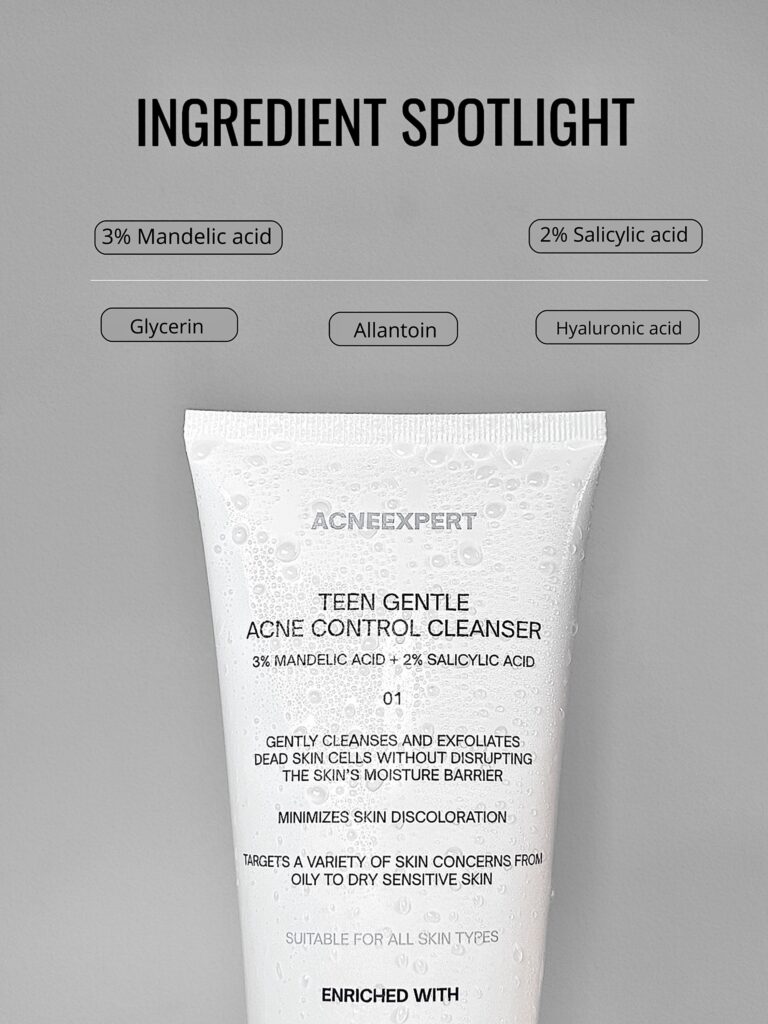
- Usage: Incorporate this cleanser into your routine 3–4 times per week as your specialized treatment step to maintain pore clarity throughout the holiday season.