

Your acne is finally clearing up. The breakouts occur less frequently, the inflammation is calming down. But now you face something almost as frustrating: dark marks that simply refuse to fade.
These post-acne marks, also called hyperpigmentation or post-inflammatory hyperpigmentation (PIH), can linger for months, even after the acne itself disappears. And if you’re not treating them correctly, they might never fully fade.
Let’s talk about why they persist and what actually works to eliminate them.
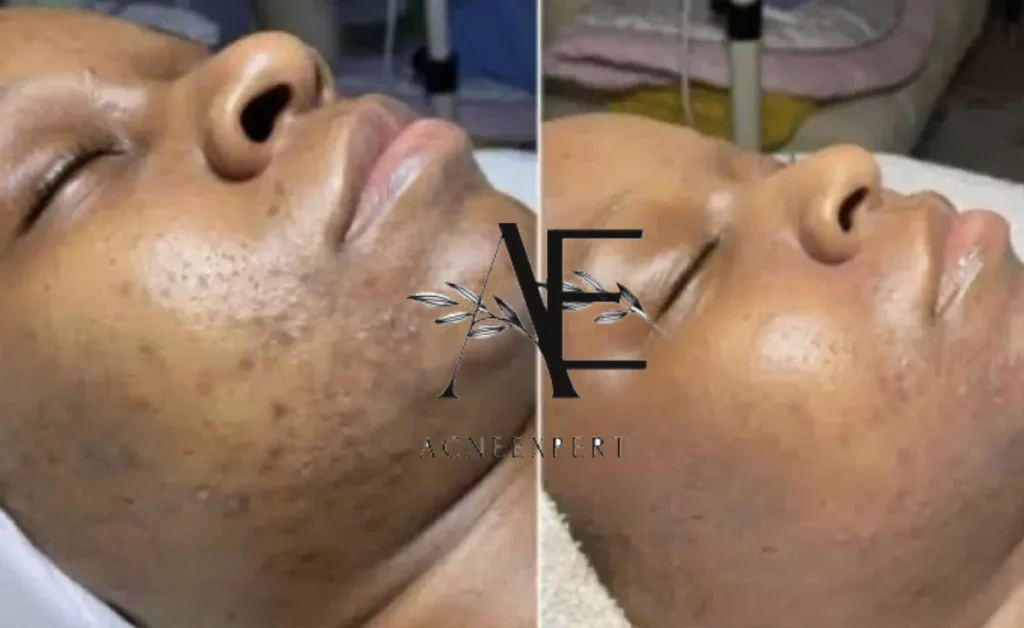
Understanding Post-Acne Marks
Post-acne marks are flat, discolored spots left behind after a pimple heals. They’re not scars (which involve changes in skin texture). Rather, they’re areas where your skin produced excess melanin in response to inflammation.
They appear as:
- Dark brown or black spots (on deeper skin tones)
- Red or purple marks (on lighter skin tones)
Why They Refuse to Fade Naturally
Here’s the truth: without intervention, post-acne marks can take 6 months to 2 years to fade naturally. Furthermore, on deeper skin tones, they may never fully disappear without treatment.
The Science Behind Stubborn Marks
Several factors keep these marks visible:
- Your skin continues producing melanin in those areas
- Sun exposure makes them darker and more stubborn
- Dead skin cells build up, preventing new, even-toned skin from surfacing
Habits That Makes Marks Worse:
1. Skipping Sunscreen
UV exposure triggers more melanin production, making dark marks even darker. If you’re not protecting your skin daily, you actively undo any progress you’ve made.
Therefore, sunscreen becomes non-negotiable—even on cloudy days, even indoors.
2. Picking at Your Skin
Every time you pick, pop, or scratch at a pimple, you increase inflammation and the likelihood of dark marks. The more trauma your skin experiences, the darker and longer-lasting the marks become.
3. Using Harsh Products
Irritation triggers more melanin production. If your products are too aggressive, you actually create more hyperpigmentation, not less.
4. Skipping Exfoliation
Dead skin cells trap pigmentation at the surface. Without gentle exfoliation, those marks have no reason to fade naturally.
Solutions For Better Results
1: Use Exfoliating Acids (AHAs like Mandelic Acid)
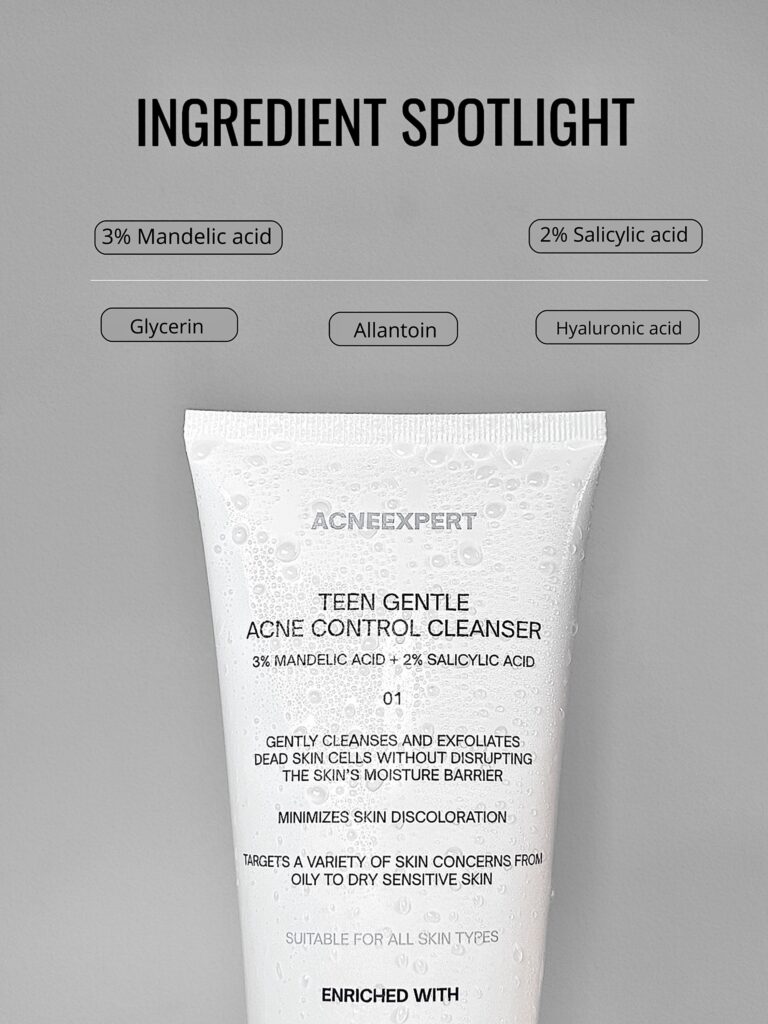
Mandelic Acid gently exfoliates the top layer of skin, removing pigmented dead cells and revealing fresher, more even-toned skin underneath. It works especially well for darker skin tones because it’s gentle and less likely to cause irritation.
Our Teen Acne Control Cleanser contains Mandelic Acid to help fade marks while treating active acne. As a result, you get dual benefits in one product.
2: Apply Sunscreen Consistently
This step is absolutely non-negotiable. Use a broad-spectrum SPF 30+ daily to prevent your marks from darkening further.
3: Invest in Professional Treatments
At-home care plays an important role, but professional treatments accelerate fading significantly:
- Chemical Peels (like our Acne Clarity Peel) remove layers of pigmented skin and stimulate cell turnover
- Microneedling boosts collagen production and helps even out skin tone
- Brightening Facials target hyperpigmentation with professional-grade ingredients
4: Practice Patience and Consistency
Fading hyperpigmentation takes time. You won’t see results overnight. However, with consistent use of the right products and treatments, you’ll notice gradual, steady improvement over 6-12 weeks.
Post-acne marks frustrate many people, but they’re not permanent. With the right combination of exfoliating ingredients, sun protection, professional treatments, and patience, you can fade them and reveal clearer, more even skin.
At Acneexpertskin, we don’t just treat acne. We also help you address everything that comes after.