

Makeup has become a staple in many beauty routines. Whether you’re heading to work, attending an event, creating content, or simply wanting to feel your best, makeup can be a powerful confidence booster. For many people dealing with acne, makeup also serves as a way to temporarily conceal blemishes and acne marks.
But while makeup itself isn’t necessarily the enemy, some products and habits can quietly contribute to ongoing breakouts without you even realizing it.
If you’ve invested in skincare products, followed countless online beauty tips, and still find yourself dealing with stubborn breakouts, your makeup routine may be worth a closer look.
The good news? You don’t have to choose between wearing makeup and having clear skin. Understanding how makeup affects your skin can help you make better choices that support both your beauty goals and your skin health.

Signs Your Makeup May Be Contributing to Breakouts
Not every breakout is caused by makeup, but certain signs may indicate that your products or application habits are playing a role.
1. Breakouts Started After Introducing a New Product
Have you recently switched foundations, concealers, powders, or primers?
If new pimples started appearing shortly after introducing a product, your skin may be reacting to certain ingredients. Some formulations contain oils, fragrances, or pore-clogging ingredients that can trigger breakouts in acne-prone skin.
2. Acne Appears in Specific Areas
Pay attention to where your breakouts occur.
If pimples consistently develop on areas where makeup is heavily applied, such as the cheeks, chin, forehead, or jawline, your makeup products or tools may be contributing to the problem.
3. Your Skin Feels Congested
Congested skin often feels rough, uneven, or bumpy even when there are no obvious pimples.
This can happen when pores become clogged with excess oil, dead skin cells, and makeup residue.
4. Breakouts Worsen After Long Days Wearing Makeup
If your skin tends to flare up after wearing makeup for extended periods, it may be a sign that your pores are struggling to breathe under layers of product, sweat, and oil buildup.
Common Makeup Mistakes That Can Trigger Acne
Many people assume their products are the problem when, in reality, their makeup habits may be the culprit.
Sleeping With Makeup On
This remains one of the most common skincare mistakes.
Throughout the day, your makeup collects dirt, oil, sweat, environmental pollutants, and bacteria. Leaving all of this on your skin overnight increases the likelihood of clogged pores and inflammation.
While one night may not seem like a big deal, making it a habit can contribute to persistent breakouts over time.
Using Expired Makeup Products
Makeup products have expiration dates for a reason.
Over time, formulas break down and can become breeding grounds for bacteria. Applying expired products to your skin can increase irritation and trigger breakouts.
As a general rule:
- Mascaras should be replaced every 3–6 months.
- Liquid foundations typically last 6–12 months after opening.
- Cream-based products may need replacement within a year.
If a product smells different, changes texture, or separates unexpectedly, it may be time to let it go.
Neglecting Your Makeup Brushes and Sponges
Your makeup tools come into direct contact with your skin every day.
Without regular cleaning, brushes and sponges collect:
- Oil
- Dead skin cells
- Product buildup
- Dust
- Bacteria
Every time you use a dirty tool, you’re transferring these impurities back onto your skin.
Cleaning brushes weekly and replacing sponges regularly can significantly reduce the risk of acne-causing bacteria accumulating on your skin.
Layering Too Many Products
Primer, foundation, concealer, contour, blush, setting powder, setting spray—the list can be endless.
While makeup techniques have evolved, excessive layering can sometimes overwhelm acne-prone skin, especially if the products are heavy or not properly removed at the end of the day.
How to Wear Makeup Without Compromising Your Skin
The goal isn’t to stop wearing makeup. Instead, it’s about making smarter choices.
Choose Non-Comedogenic Products
Look for products labeled:
- Non-comedogenic
- Oil-free
- Acne-friendly
- Won’t clog pores
These formulations are specifically designed to minimize the risk of breakouts.
Never Skip Cleansing
Removing makeup thoroughly every evening is one of the most important steps in maintaining healthy skin.
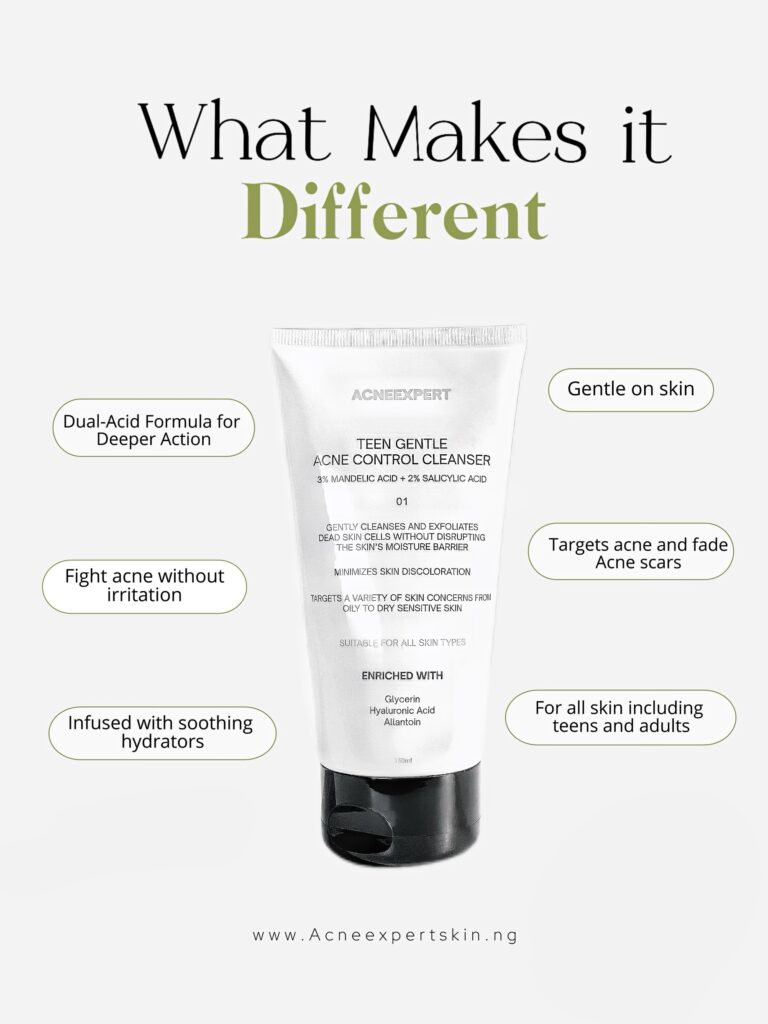
Double cleansing can be particularly helpful for those who wear makeup regularly, this is where using our Teen Acne Control Cleanser comes in to play.
When used consistently as part of a well-structured skincare routine, it helps support cleaner, healthier-looking skin and creates the ideal foundation for subsequent acne treatments.
Remember, healthy skin starts with proper cleansing, and this amazing cleanser can be an important step in ensuring your skin is truly clean before applying treatment products.
Keep Your Routine Simple
When dealing with acne, less is often more.
Instead of constantly trying new viral products, focus on a consistent routine that supports your skin barrier and addresses your specific concerns.
Listen to Your Skin
Your skin often gives clues when something isn’t working.
If you notice irritation, redness, excessive oiliness, or new breakouts after introducing a product, it may be worth reevaluating whether it belongs in your routine
Frequently Asked Questions
Can I wear makeup if I have acne?
Absolutely.
Having acne does not mean you have to stop wearing makeup. The key is selecting acne-friendly products and maintaining proper skincare habits, especially when it comes to cleansing.
How often should I wash my makeup brushes?
Ideally, once every week.
If you’re actively experiencing breakouts, you may benefit from cleaning certain tools even more frequently.
Does foundation cause acne?
Not necessarily.
The issue often lies in the ingredients, how the product is used, or how effectively it is removed. Many modern foundations are formulated specifically for acne-prone skin.
Should I stop wearing makeup during an acne breakout?
Not always.
However, it’s important to choose lightweight, non-comedogenic products and avoid using makeup to excessively cover inflamed lesions.
What’s more important: makeup quality or skincare?
Both matter, but skincare should always be the foundation.
Even the best makeup products cannot compensate for a compromised skin barrier or an inconsistent skincare routine.


