

You wake up one morning and your skin looks different.
Maybe your cheeks are unusually dry. Perhaps your face feels itchy, a patch of skin has become red or irritated, or products you’ve used comfortably for months suddenly feel unpleasant.
Naturally, you want to fix it quickly.
So you reach for another cream, search for a remedy online or decide it’s time for a completely new skincare routine.
Before you do any of that, pause.
When your skin flares up, the first priority is understanding what’s happening, not rushing to cover it up.

First, Know That Not Every Flare-Up Is the Same
Dermatitis is a general term for inflammation of the skin. Different forms, including atopic dermatitis and contact dermatitis, can cause itching, dryness, redness, scaling and discomfort.
But similar symptoms can also occur with other skin conditions.
That’s why it’s important not to diagnose yourself based on a photograph, a social media post or one symptom alone.
What looks like a simple reaction to a new product may need a different approach from a recurring eczema flare or an infection.
Your First Response Matters
While you’re working out what might be happening, there are a few sensible steps you can take.
Give your routine a pause.
Stop introducing new products and temporarily set aside non-essential actives or exfoliants that may be contributing to the irritation. If a product consistently causes burning or a reaction, discontinue it.
Keep cleansing gentle.
Avoid scrubbing, hot water and harsh cleansers. Wash gently with lukewarm water and use a cleanser your skin tolerates. If even water or a mild cleanser causes significant discomfort, seek professional advice.
Moisturise appropriately.
A suitable fragrance-free moisturiser may help support the skin barrier and reduce dryness. Choose something your skin tolerates, rather than experimenting with several new formulas at once.
Look back at what changed.
Did you start using a new perfume, detergent, serum or facial treatment? Have you been sweating more, experiencing more friction or changing your bathing routine?
Make a note of what you notice. A simple skin diary can help you recognise patterns and give a healthcare professional useful information.
Remember, a suspected trigger isn’t necessarily the cause. Avoid making major dietary or lifestyle restrictions based on guesswork.
What About the Products You Already Own?
This is where many skincare routines become unnecessarily complicated.
You may own a cleanser for acne, a product for dark spots and several treatments you’ve been meaning to try. When irritation appears, it can be tempting to use them all in the hope that one will help.
But a product that suits one concern may not suit another.
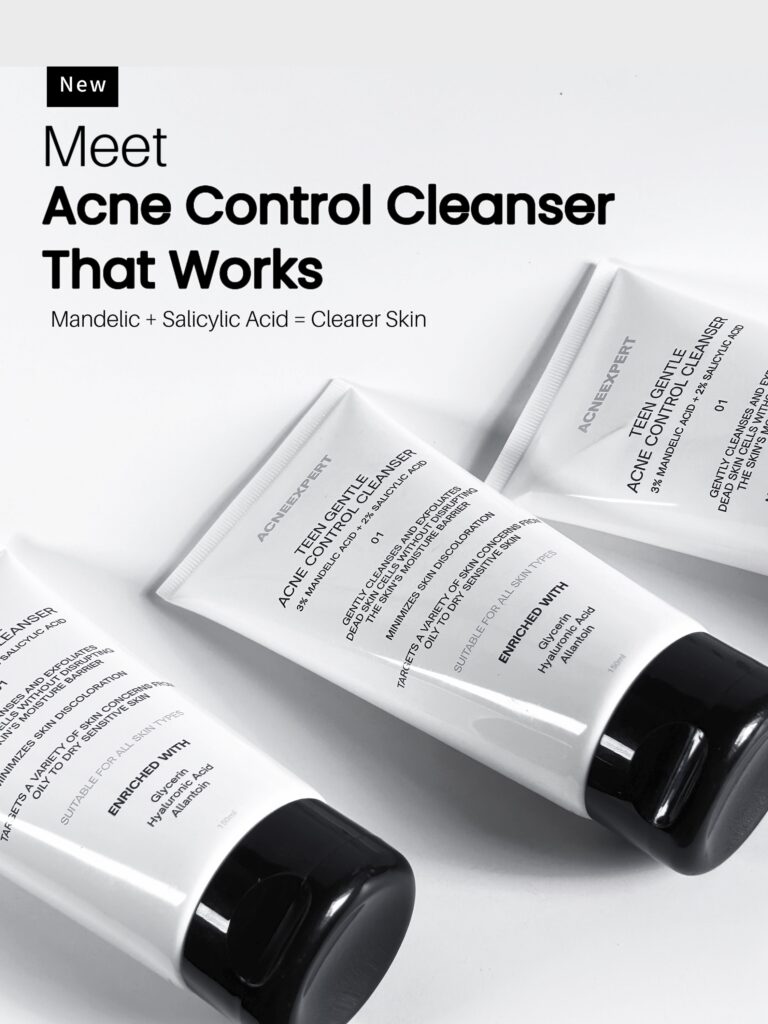
For example, Acneexpertskin’s Teen Acne Control Cleanser contains mandelic acid and salicylic acid. These ingredients are used in acne-focused skincare, but an active dermatitis flare or significant irritation is not the time to assume an exfoliating cleanser will be helpful.
Likewise, a targeted dark-spot product is not a treatment for an itchy or inflamed rash.
Address the irritation first, and seek appropriate advice about what products are suitable for your skin.
When Is It Time to Get Help?
If your symptoms keep returning, don’t improve with gentle care, interfere with sleep or affect sensitive areas such as the eyelids, arrange an assessment with a qualified healthcare professional.
Seek prompt medical attention if you experience rapidly worsening symptoms, significant pain, spreading warmth or redness, pus, fever or other signs of infection.
Severe swelling, widespread blistering or difficulty breathing after a possible allergic reaction requires urgent medical attention.
If dermatitis is diagnosed, treatment may involve specific medication and a personalised plan to manage triggers. Basic skincare can support comfort, but it doesn’t replace appropriate medical treatment.
A Note From Acneexpertskin
We believe skincare should begin with understanding, not guesswork.
Our products and professional skincare services support specific skincare needs, particularly acne-related concerns. They are not all-purpose solutions for every rash, flare-up or skin condition.
If you’re dealing with persistent irritation, the most helpful next step may be getting the right assessment before choosing another product or booking a cosmetic treatment.
You don’t have to solve every skin concern in one day.
Start by being gentle with your skin, paying attention to changes and getting help when you need it.
The goal isn’t to hide every flare-up as quickly as possible. It’s to understand your skin well enough to care for it appropriately.